Your bank account is the ultimate prize for cybercriminals. Unlike stolen social media credentials, financial account access translates directly and immediately into money. Account takeover fraud, phishing, SIM swapping, and malware attacks targeting banking credentials cost consumers and institutions enormous sums every year — and these attacks are growing more sophisticated by the month.
But here is the encouraging truth: the vast majority of successful banking attacks exploit simple, preventable mistakes. Securing your online banking is not about high-level technical skills. It is about consistently applying a handful of straightforward practices. This guide covers all of them.
Start With Your Password and Login Security
Use a Unique, Strong Password for Your Bank Account
Your bank account password should be unlike any other password you use anywhere. This is non-negotiable. If the same password is used on a website that later gets breached, attackers will automatically try that credential against every major bank — a technique called "credential stuffing." Your banking password should be at least 16 characters, containing a mix of letters, numbers, and symbols, and stored in a password manager.
Enable Two-Factor Authentication
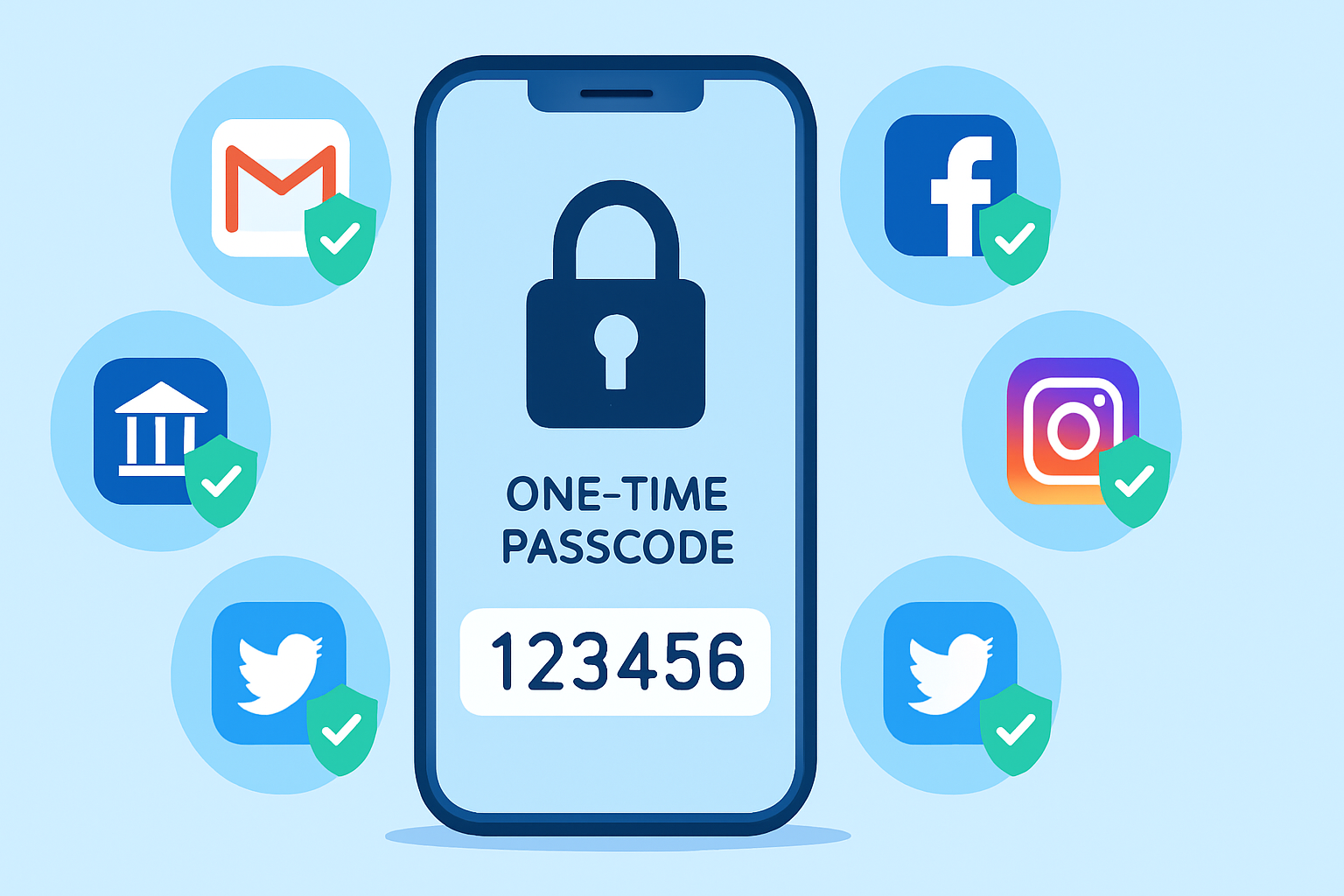
All reputable banks now offer two-factor authentication. Enable it immediately if you have not. Prefer an authenticator app over SMS codes when your bank supports it. Some banks offer hardware security keys — if yours does and you manage significant assets, this level of protection is worth the small investment.
Set Up Login and Transaction Alerts
Every bank allows you to configure email and SMS alerts for account activity. At minimum, enable alerts for: logins from new devices, password changes, large transactions, transfers, and any changes to account settings. These alerts are your early warning system — abnormal activity detected within minutes can be stopped before serious damage occurs.
Secure Your Devices for Banking
Only Bank on Devices You Trust and Own
Never access your bank account from a public computer, a borrowed device, or a computer you are not sure is malware-free. Shared devices may have keyloggers or browser extensions that capture your credentials. If you must use a device you do not fully trust, use a private browsing window and log out completely when finished — though this is not a substitute for using your own clean device.
Keep Your Devices Updated
Banking malware routinely exploits unpatched vulnerabilities in operating systems and browsers. Keeping Windows, macOS, iOS, and Android up to date closes these entry points. Enable automatic updates for your operating system and banking apps.
Use Your Bank's Official App Instead of a Browser
Banking apps are generally more secure than browser-based banking. They use certificate pinning (which prevents man-in-the-middle attacks) and are much harder to fake than websites. Download the official app only from the Apple App Store or Google Play Store — verify the developer name matches your bank.
Protect Against Phishing Targeting Your Bank
Bank phishing is among the most sophisticated and convincing on the internet. Attackers create pixel-perfect replicas of your bank's login page and send you urgent-sounding emails about "suspicious account activity" or "required verification." Here is how to stay safe:
Never click a link in an email or text message claiming to be from your bank. Always type your bank's URL directly into the browser.
Check the URL carefully before entering any credentials. Your bank's address should begin with https:// and show a valid security certificate.
Legitimate banks never ask for your full password, PIN, or one-time authentication codes via email, phone call, or chat.
If you receive a call from someone claiming to be your bank's fraud department, hang up and call the number on the back of your card instead.
Network Security When Banking Online
Never Bank Over Public Wi-Fi
Public Wi-Fi networks at coffee shops, hotels, and airports are fundamentally insecure. Attackers can conduct man-in-the-middle attacks on these networks, intercepting your session. If you need to access your bank while out, use your mobile phone's cellular data connection instead of public Wi-Fi. If you frequently need to use public Wi-Fi, a reputable VPN will encrypt your connection.
Consider a VPN for Home Banking Too
Even at home, your ISP can potentially see your banking activity. A reputable VPN (NordVPN, ExpressVPN, Mullvad) encrypts all traffic between your device and the internet, adding an additional layer of protection. It also protects you if your home network is compromised.
Monitor Your Accounts Regularly
Do not wait for your monthly statement. Log into your bank account at least once a week to review transactions. The faster you spot an unauthorized transaction, the better your chances of a full recovery. Under US federal law, if you report unauthorized electronic fund transfers within two days of discovering the fraud, your liability is limited to $50. Reporting within 60 days limits your liability to $500. After 60 days, you may be liable for the full amount.
Additional Protective Measures
Freeze your credit with all three bureaus to prevent new fraudulent accounts being opened in your name.
Consider using a dedicated device — even an old phone or tablet — exclusively for banking, with no other apps installed.
Regularly update your security questions and answers, and never use information that is publicly available on social media.
Enroll in your bank's identity verification programs if available.
If your bank offers virtual card numbers for online purchases, use them — they cannot be used by fraudsters outside the original transaction.
Final Thoughts
Banking security is not about paranoia — it is about consistent, sensible practices that take very little time to implement. The combination of strong unique passwords, two-factor authentication, transaction alerts, regular monitoring, and awareness of phishing tactics is more than enough to put you in an extremely low-risk category. Most banking fraud targets people who skip one or more of these fundamentals. Do not be that person.
Others Blog : https://techmkit.com/blog